Why Arabic Majlis Is Making a Comeback in Dubai Interiors
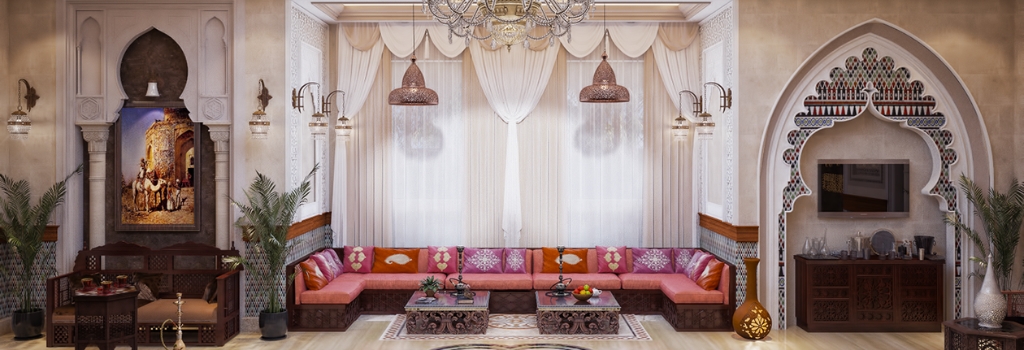
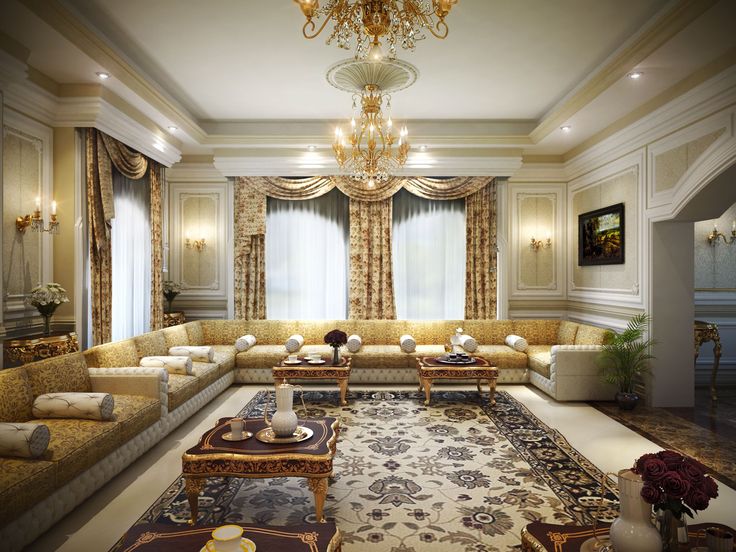
Arabic Majlis is a traditional heritage of Arab societies. Nowadays, it has become more common and is making a comeback in Dubai interiors. Today, more people are creating these spaces in their homes to take advantage of the great communal benefits they offer. Read this blog to learn why Arabic Majlis is making a comeback in Dubai interiors.
Top Reasons Behind the Comeback of Majlis in Dubai Interiors
Arabic Majlis is a cultural tradition in Arabic societies. They are not only spaces that provide room for communal gatherings, but they also have a far-reaching effect that spans generations. The following aspects of the Arabic Majlis make their revival inevitable.
1. Preservation of Cultural Heritage
Majlis is a significant cultural element in Arabic societies. From the days Arabs lived as nomads, majalis have been a core element of their societies for communal gatherings. By keeping the custom alive of having majalis at homes and commercial places, the local Arabic customs can last longer. Younger generations would take their traditions and pass them on to future generations. By maintaining the practice of majlis, Arabs are preserving their culture from being lost in the pages of history.
2. Reflection of Emirati Culture
Emirati culture, specifically the culture of Dubai and the UAE, is characterized by a culture of hospitality and warmth. By keeping this traditional gathering place alive, they are demonstrating their hospitality and respect towards guests. It’s a distinguishing culture in the world, and therefore, it must be practiced. By practicing it actively, Emiratis can showcase their cultural values to the world and build a positive image.
3. To Create a More Connected Community
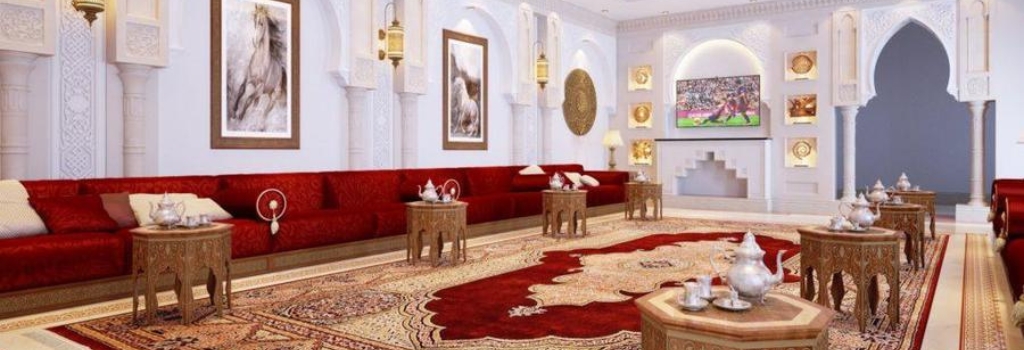
In an individualistic society like today, the majlis provides a common ground for building connections with other community members. It allows members of Arab culture to stay relevant to their community and its needs. When people have a shared space to meet and interact with each other, they feel more connected. This connection would build a more empathetic society. People would come forward to help each other.
4. Open Space for Discussion of Issues
In the modern world, lots of problems exist. Some issues are affecting entire communities. Majlis provides a platform for discussion for solving these problems. Since Dubai and other Arab societies are mainly Muslim, a majlis provides a place without discrimination to connect and share problems. These places are free and agenda-based. They can lead to great problem-solving for Emirati society.
5. To Create an Inclusive Society
A majlis does not discriminate. The community welcomes everyone to participate freely and stay connected. In a majlis, people are given the freedom to express their opinions freely. Apart from its architectural value, the majlis is an excellent way to connect with society, regardless of the social status or standing of the participants. These places are brought back so that gaps can be bridged and people from all walks of life can communicate easily. The essence of a majlis is what motivates people to gather around it. These have always been places for problem-solving, regardless of a person’s notoriety. Everyone tries to solve it.
6. Adapt Diversity According to Modern Needs
Bringing back the majlis in Dubai has given the people of Dubai a chance to adapt to modernization. Modern Majalis are more equipped, designed with versatility, and allow mixing of Western cultures. This practice represents the adaptiveness of the society in Dubai and its openness to new things. By incorporating modern elements of craft into their traditional setups, these societies are redefining boundaries that are soft and tolerant towards change.
7. Provide Culturally Relatable Atmospheres
For people to feel safe and at home, they must be allowed to be in places where they can connect. In Majlis, due to the inclusion of cultural elements, people feel comfortable and are not challenged. Arab culture is distinctive and not easily mixed. Majlis is one place where they can find people of their kind, with no significant language barrier, and an atmosphere that is adaptable for them. Westernized setups are more challenging for tribal people. So, by bringing back the Majlis, a safer environment is being created.
8. Globalization of Culture
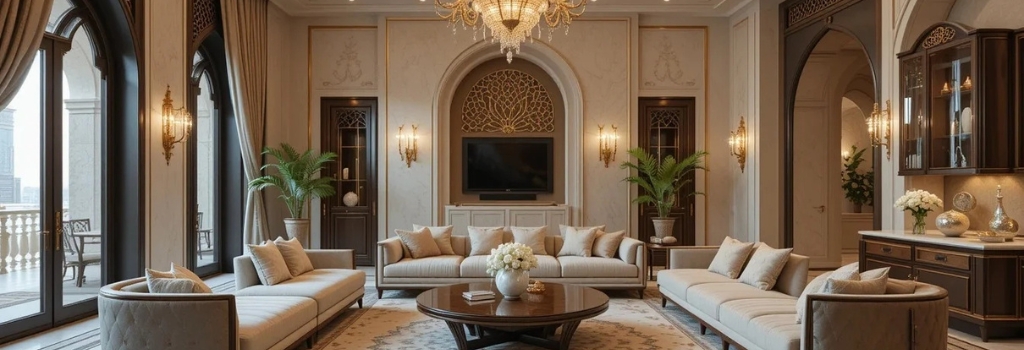
By popularizing Majlis again in Dubai, an effort is being made to globalize culture. Dubai is a global market where people with diverse backgrounds come and go. By keeping their traditions alive, they are exhibiting the inclusiveness of their culture. It is creating a good image of the people of Dubai in the world. Their traditions of hospitality are unmatched anywhere in the world. By making the majlis a common venue for both political and social gatherings, they can convey the richness of their traditions.
9. To Create Eco-friendly Options:
Traditional majlis elements are quite basic. Floor cushions and mattresses, along with wooden carvings primarily used in majlis, are a great way to utilize resources intelligently. In westernized furniture, more synthetic elements are used that are not readily biodegradable. Majlis carpets, seating options, and decorative materials are mostly handmade and naturally sourced. They are made up of biodegradable materials. This practice makes the majlis more eco-friendly and has little environmental impact.
10. Recollecting the Dispersed Memoirs
Since storytelling and the transfer of traditions have been an integral part of majlis, reviving majalis would refresh the memoirs. In such spaces, old traditions, folk tales, Arabic music, and art can easily flourish. They can introduce their children to their norms and motivate them to adopt them.
Conclusion:
Majlis is a heritage of Arabic Culture. Its comeback is the revival of a peninsular culture. It embodies aspects that exhibit the togetherness of a community and their collective efforts to solve problems. People are reliving their ancestral experiences, fostering more collective societies, and creating more inclusive communities with the comeback of the Arabic majlis seating.